What Garage Door Hardware Replacements Are Commonly Needed in 2025?
Which Garage Door Hardware Parts Most Frequently Require Replacement?
Certain garage door components face consistent stress and environmental exposure, making them prone to wear and eventual failure. The most common hardware requiring replacement includes:
- Springs: Both torsion and extension springs bear the heavy load of your garage door, leading to fatigue over time.
- Rollers: These allow smooth door movement but wear down causing noisy or jerky operation.
- Cables: Lift cables can fray or snap, creating safety hazards.
- Hinges: Connecting panels and allowing flexibility; these may bend or rust.
- Tracks: Guide the rollers and door; damaged or misaligned tracks affect performance.
- Drums and Pulleys: Manage cable alignment but are subject to wear.
- Brackets: Secure various hardware components and can loosen or break.
Regular inspection of these parts ensures timely replacement, preventing door malfunction and increasing lifespan.
How Do Worn Rollers Affect Garage Door Function and When Should They Be Replaced?
Rollers play a critical role in the smooth and quiet operation of a garage door. Over time, rollers and their internal bearings degrade, which dramatically impacts door function.
- Increased Friction and Noise: Worn rollers cause squeaking or grinding sounds during operation.
- Uneven Movement: Damaged wheels or bearings lead to jerky or stuck doors.
- Material Matters: Nylon rollers reduce noise but wear faster compared to long-lasting steel rollers, which may be noisier.
- Components to Check: Inspect the rollers’ wheels, bearings, guides, pins, and clips securing the shafts for damage or looseness.
Replace rollers if you see visible cracks, wobbling wheels, or consistently noisy operation to avoid further door damage.
Why Are Garage Door Springs Critical, and What Indicates They Need Replacing?
Garage door springs are vital for counterbalancing the heavy weight of the door, enabling effortless opening and closing. There are two primary types:
- Torsion Springs: Mounted above the door, they twist as the door moves.
- Extension Springs: Located along the sides, they stretch when lifting the door.
Indications that springs require replacement include:
- Loud bangs or snapping noises during door operation.
- Visible gaps or breaks in the spring coils.
- Door sagging or uneven closure.
- Difficulty lifting the door manually.
Because springs operate under extreme tension, professional adjustment or replacement is strongly recommended for safety. They work together with tensioners, shafts, arms, and end stops to maintain balance and prevent overextension.
What Role Do Cables Play, and What Are the Signs of Cable Failure?
Cables are responsible for lifting the garage door evenly by working alongside springs. They are durable but prone to wear over time due to tension and environmental exposure.
- Functionality: Support the door’s weight and transfer force from springs to the door.
- Signs of Cable Failure: Visible fraying or broken wire strands, loose or slack cables, kinks, and abrupt door drops are all warning signals.
- Replacement Considerations: Cables require secure connectors, clamps, terminals, and couplers for safe operation.
Ignoring cable issues can be dangerous; replace them immediately with the correct parts and professional tools to maintain structural integrity.
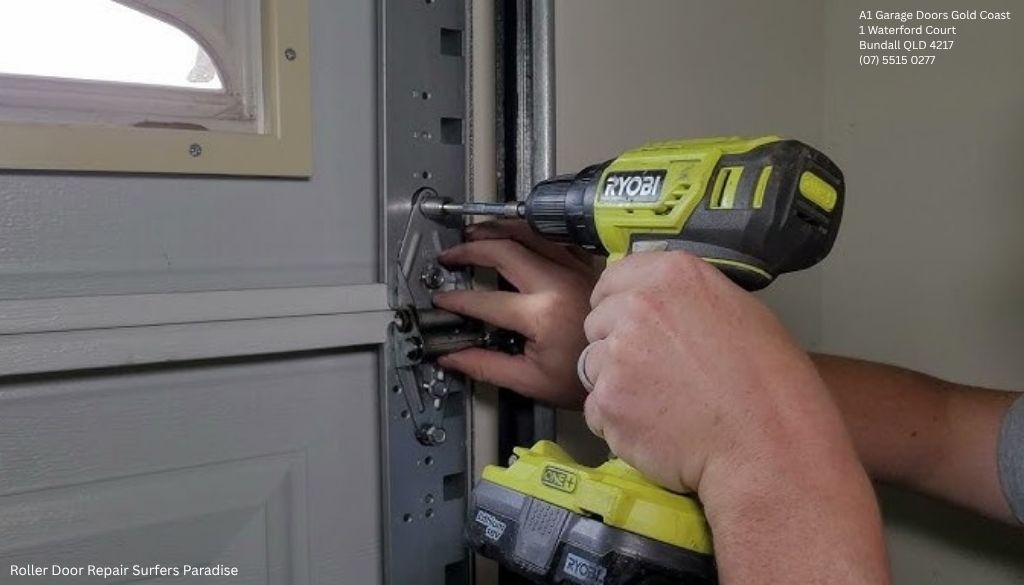
When and Why Should Garage Door Hinges and Tracks Be Replaced?
Hinges and tracks form the structural backbone of your garage door’s movement and alignment. Their condition significantly influences door performance and safety.
- Hinges: Connect door panels, allowing them to bend while opening. Rust, bending, or breakage leads to misalignment and operational issues.
- Tracks: Guiding rollers vertically and horizontally, tracks must remain straight and unobstructed. Bent or warped tracks cause jamming and derailment.
- Supporting Hardware: Brackets, anchors, fasteners, and plates secure hinges and tracks. Damage or loosening here can destabilise the entire system.
Replacement is advised when significant corrosion, deformation, or wear compromises movement or alignment. Regular cleaning and lubrication help prolong their life.
What Hardware Components Relate to Garage Door Security and Sealing?
Your garage door’s security and insulation depend on several key hardware components:
- Locks and Latches: Secure the door physically to prevent unauthorised access.
- Handles and Knobs: Facilitate manual operation and locking mechanisms.
- Weatherstripping and Seals: Prevent drafts, water ingress, dust, and pest intrusion around door edges.
- Bumpers and Pads: Cushion the door at stops, reducing impact damage and noise.
These parts wear out due to weather exposure and frequent use. Timely replacement maintains your garage’s security and improves energy efficiency.
What Electrical and Mechanical Parts May Require Replacement in Automatic Garage Door Systems?
Automatic garage doors rely on a variety of electrical and mechanical components that can wear out or malfunction with use:
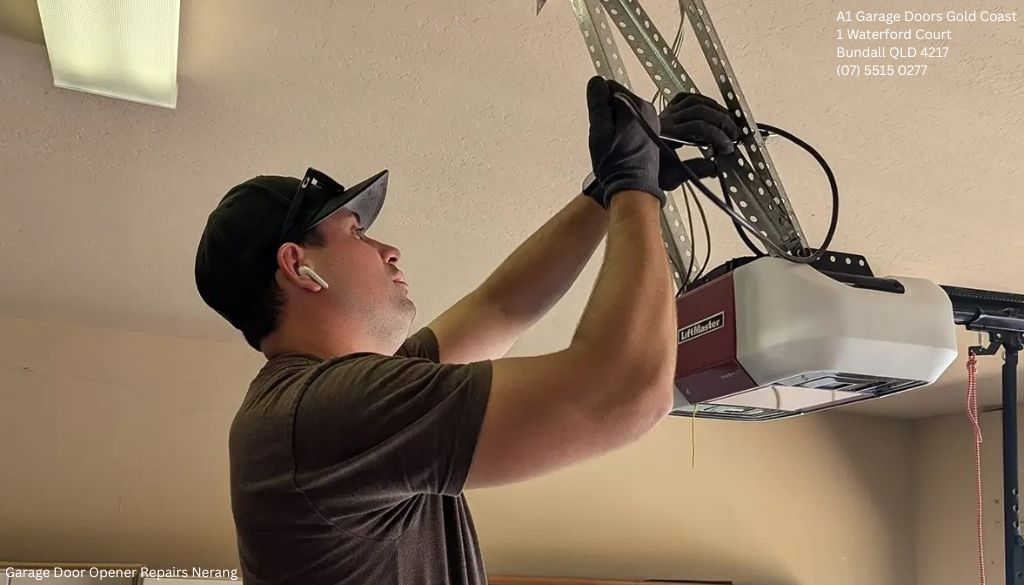
- Motors and Gear Assemblies: Provide the power to open and close the door; motor failure leads to non-operation.
- Chains and Belts: Drive systems that can stretch, break, or lose tension.
- Safety Sensors: Usually photo eyes that detect obstructions; faulty sensors can cause unsafe operation or failure to close.
- Remote Controls and Switches: Batteries, circuitry, or switches may fail, causing unresponsiveness.
- Wiring and Connectors: Electrical faults or loose terminals can disrupt system function.
- Lights: Integrated opener lights support visibility but need occasional bulb or unit replacement.
Regular testing and maintenance keep automatic systems functioning reliably and safely.
How to Safely Replace Garage Door Springs and Cables
Replacement of springs and cables poses serious risks due to stored mechanical energy. It requires specialised tools such as winding bars and knowledge of tension adjustment. DIY attempts without proper experience can cause severe injury or damage. Engaging licensed professionals is strongly advised for these tasks to ensure compliance with safety standards and Australian regulations.
Signs of Overall Garage Door Hardware Failure Beyond Individual Parts
Common symptoms indicating broader hardware failure include unusual noises, slow or jerky door movement, door misalignment, and inconsistent operation of automatic openers. Conduct an annual maintenance checklist to inspect moving parts, lubricate rollers and hinges, and verify tightness of bolts, nuts, and screws. Early detection prevents costly repairs and prolongs door lifespan.
Cost Considerations for Common Garage Door Hardware Replacements
Costs vary depending on parts quality, brand, and whether you choose DIY or professional service. Springs and cables are typically more expensive due to safety and complexity. Rollers, hinges, and weatherstripping tend to be more affordable but may require labour charges for installation. Some hardware includes warranties that cover premature failure. Balancing upfront costs with long-term reliability is key.
garage door repairs near me pricesBenefits of Upgrading Garage Door Hardware for Improved Performance
Modern upgrades like nylon rollers, quieter belt drives, advanced safety sensors, and enhanced locking mechanisms improve door performance, reduce noise, and increase security. Upgrading seals and weatherstripping also enhances insulation, reducing energy usage. Investing in quality hardware suited to local coastal or urban environments prevents corrosion and mechanical issues.
Frequently Asked Questions
Q1: How often should garage door hardware be inspected or replaced?
A: Experts recommend inspecting all moving parts annually. Springs usually last between 7-10 years, rollers 7-12 years, while cables and hinges vary based on usage and environment.
Q2: Can I replace garage door springs myself?
A: Due to high tension and risk of injury, replacing springs is dangerous if attempted without specialised training and tools. Hiring a professional technician is strongly advised.
Q3: What causes garage door rollers to wear out prematurely?
A: Poor lubrication, dirt or debris accumulation, heavy door weight, and using metal rollers in humid or coastal environments where rust occurs can shorten roller lifespan.
Q4: How do I know if my automatic garage door opener needs repairs or replacement?
A: Frequent jamming, slow or inconsistent operation, unresponsive remote controls, strange noises, or malfunctioning safety sensors are signs that servicing or replacement is needed.
Q5: What is the difference between torsion and extension springs?
A: Torsion springs are mounted above the door, twisting to lift it and generally last longer. Extension springs run along the door’s sides, stretching as the door opens but tend to wear out sooner.
Our Sponsor
A1 Garage Doors Gold Coast
A1 Garage Doors Gold Coast is a Bundall-based garage door specialist serving the southern Gold Coast and surrounding suburbs with installation, repair, maintenance, and emergency garage door services. The company specializes in sectional doors, roller doors, garage door openers, spring and cable replacement, opener motor repair, smart-enabled installations, and 24/7 emergency call-outs across Robina, Burleigh Heads, Surfers Paradise, Nerang, Coomera, and the wider Gold Coast region.
Address:
1 Waterford Court,
Bundall,
QLD
4217,
Australia
Phone: (07) 5515 0277
Business Hours:
- Open 24/7 — Including After-Hours and Emergency Call-Outs
Follow Us:
Q6: Are there specific hardware requirements for coastal areas prone to corrosion?
A: Yes, stainless steel or galvanized hardware is highly recommended to resist corrosion caused by salt and humidity common in coastal regions, thereby extending component lifespan.
Maintaining your garage door’s hardware by recognising common replacement needs enhances both safety and functionality. Whether replacing worn springs, cables, rollers, or upgrading your automatic opener’s components, timely intervention preserves the performance and security of your garage door. Consult with professional technicians for complex repairs, especially involving springs and cables, to protect your home and family.